

Things to do in Wheeler National Wildlife Refuge in Decatur, Alabama, include walking trails and visiting wildlife-viewing areas amid wetland habitat. You can plan a visit around the Visitor Center, a short accessible path, or longer walks through the refuge.
- Location: Decatur, Alabama
- Refuge recreation hours: daylight hours
- Trail choices include routes from 0.15 mile to 2.5 miles one way
- The Visitor Center follows different seasonal hours from November through February and March through October
At a glance
5 places · swipe
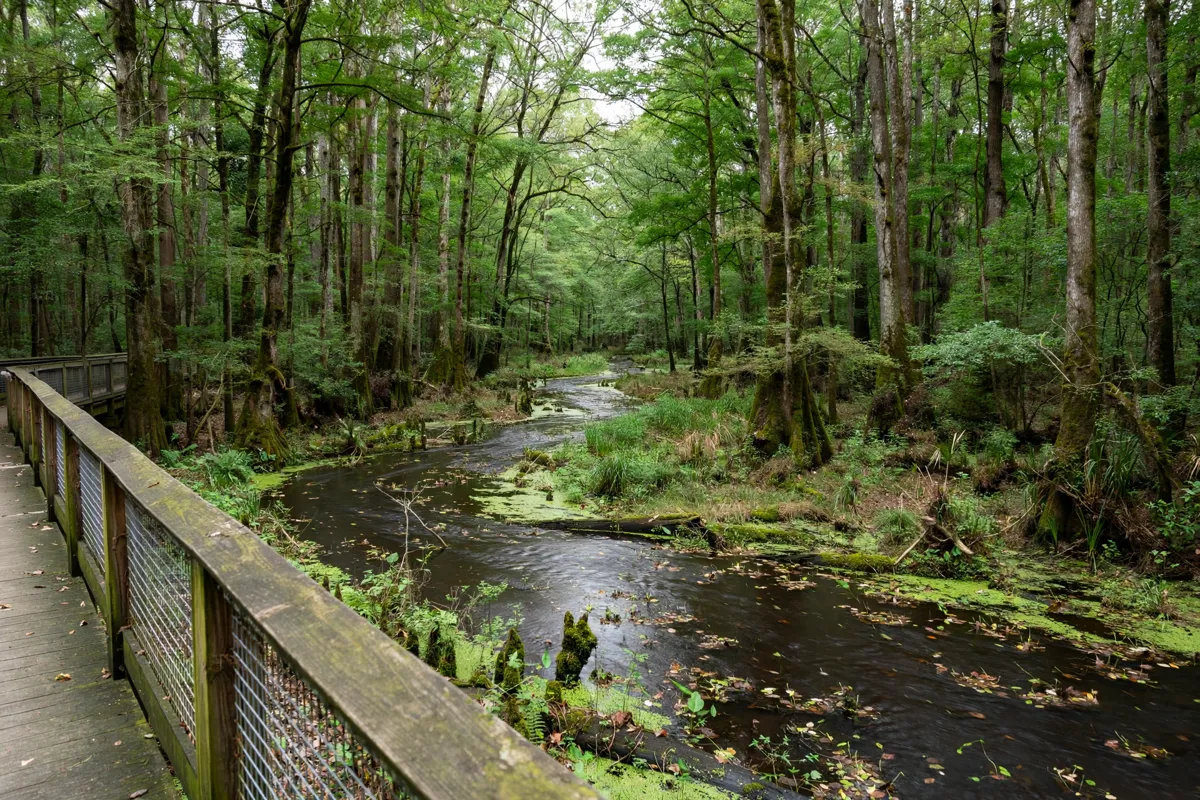 01What to see at Wheeler RefugeWheeler National Wildlife Refuge protects habitat for 12 federally endangered or threatened species…
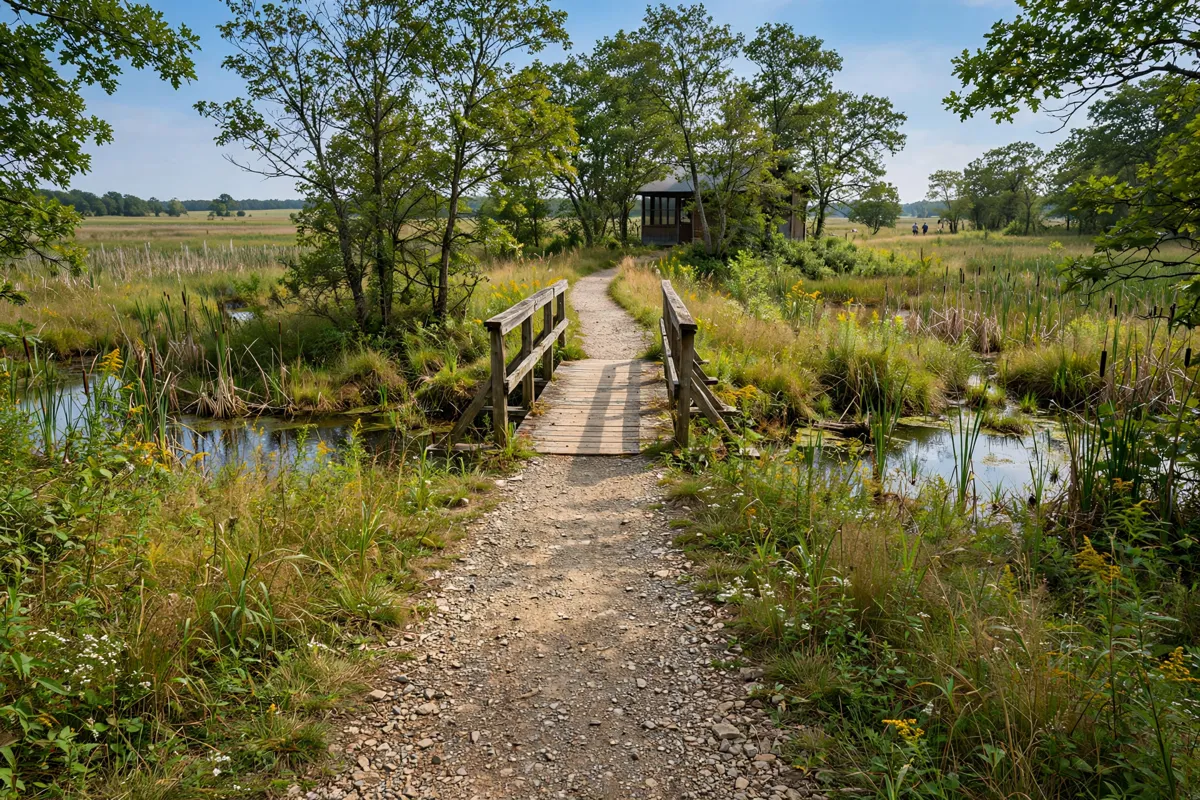 02Wildlife viewing and visitor areasThe Wildlife Observation Building is reached by an easy 0.15-mile trail behind the Visitor Center…
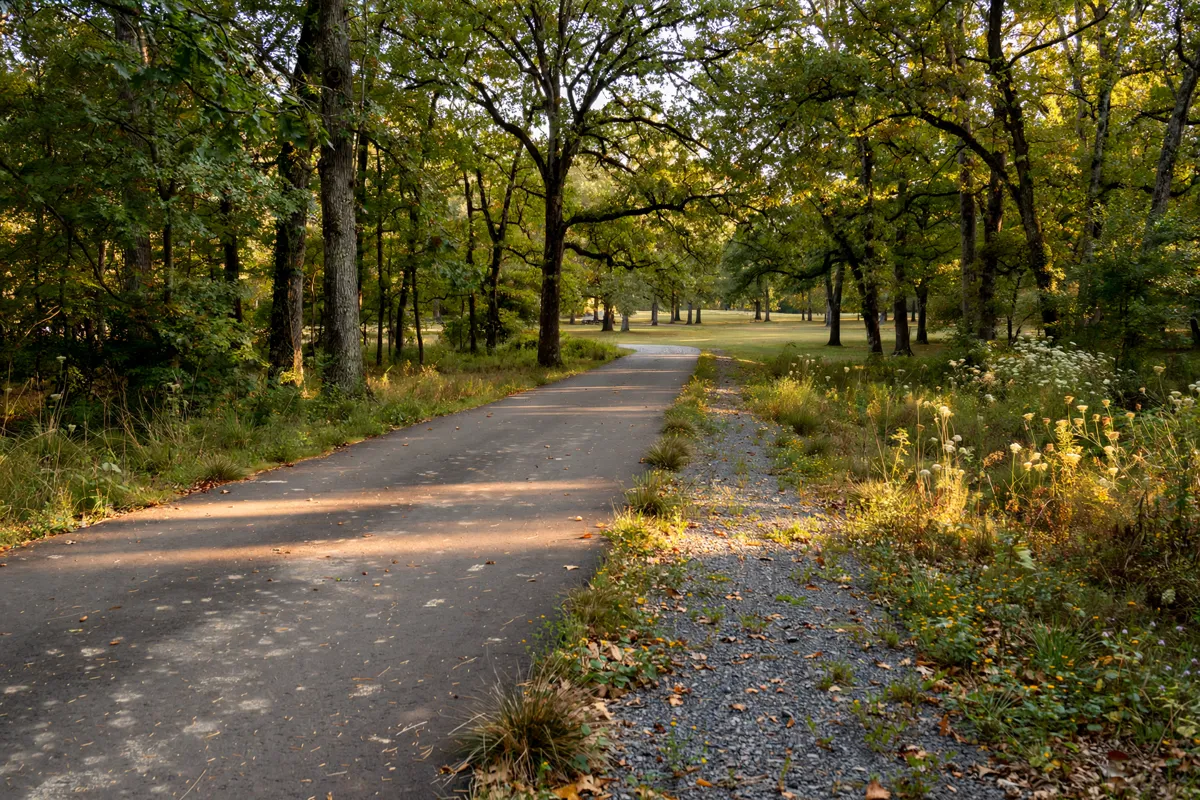 03Access, seasons and facilitiesThe refuge welcomes visitors for recreation during daylight hours, while the Visitor Center has a seasonal…
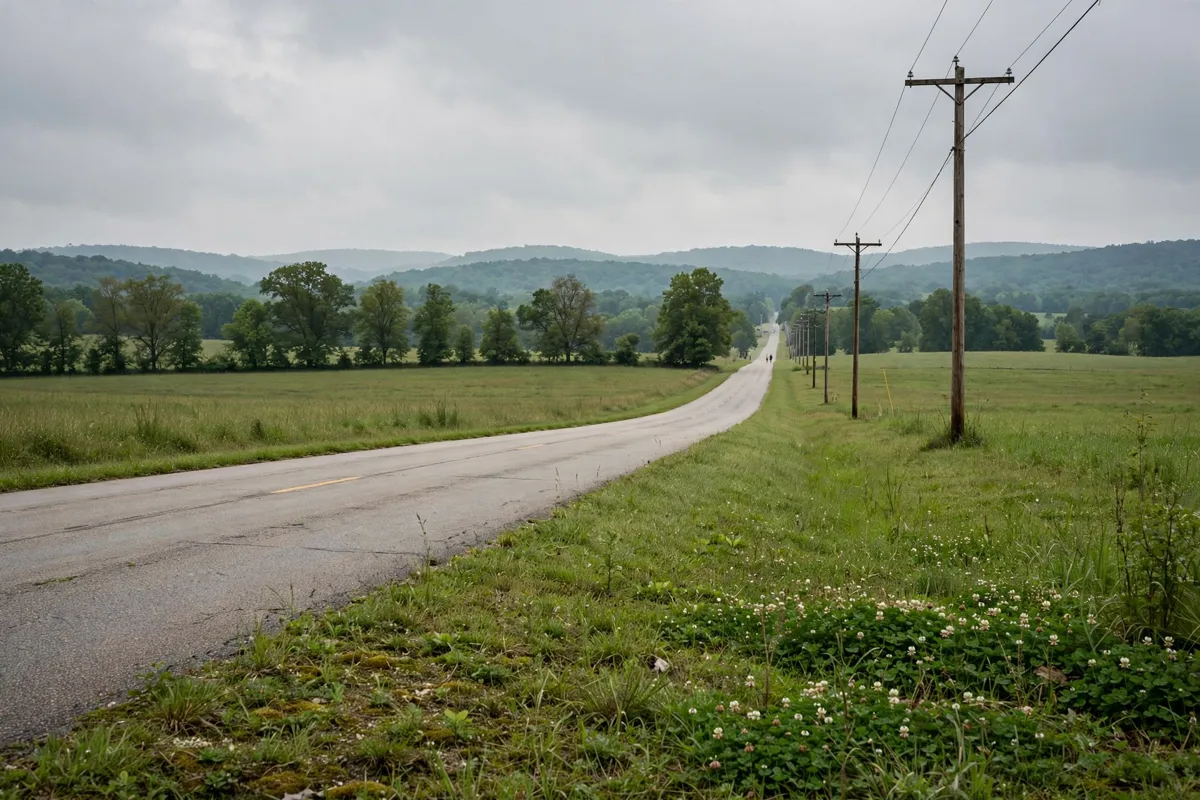 04Planning the drive from LewisburgWheeler National Wildlife Refuge is about 62.9 miles from Walking Horse Lodge.
- 05FAQsYes.
What to see at Wheeler Refuge
Wheeler National Wildlife Refuge protects habitat for 12 federally endangered or threatened species, according to the U.S. Fish & Wildlife Service. Its landscapes include Beaverdam Creek Swamp National Natural Landmark, a 580-acre tupelo gum swamp designated in 1974.
For a short walk through the swamp, the Atkeson Cypress Trail is described as a 1.0-mile out-and-back route. From I-565, take Exit 7 for County Line Road, turn right onto County Line Road, then right onto Old Highway 20 within 0.1 mile; the road ends at the trailhead in about 2 miles.
The refuge’s trails and water access offer different ways to spend time outdoors. The Beaver Dam Boardwalk route is about 2.4 miles round trip, with an estimated walking time of 30–60 minutes.
Wildlife viewing and visitor areas
The Wildlife Observation Building is reached by an easy 0.15-mile trail behind the Visitor Center, estimated to take 5 minutes. The trail and the building’s first floor are wheelchair accessible; the route is a hard-packed crushed-stone path with a small wooden footbridge.
For a longer loop, the Flint Creek Trail covers 1.28 miles over boardwalk and dirt surfaces. It is rated easy, takes an estimated 60 minutes, and starts at Flint Creek Day Use Area, north of Highway 67 and less than a quarter-mile west of the Visitor Center entrance. Bicycles are not permitted on this trail.
Sandhill and Whooping Cranes typically arrive in mid-November and leave in mid-February, with peak numbers usually in late December and early January, according to Friends of Wheeler Wildlife Refuge. Keep to trails and give wildlife plenty of space to avoid disturbing animals.
Access, seasons and facilities
The refuge welcomes visitors for recreation during daylight hours, while the Visitor Center has a seasonal schedule. From November through February, it is usually open daily from 9 a.m. to 5 p.m.; from March through October, its usual hours are 9 a.m. to 4 p.m. Tuesday through Saturday.
The Visitor Center is at 3121 Visitor Center Road, Decatur, AL 35603, and its phone number is (256) 350-6639. It is closed on Thanksgiving Day, Christmas Day and New Year’s Day during the November–February schedule.
During March–October, it is closed Sundays and Mondays, as well as Juneteenth and Independence Day. Hours and access can change, so check the official site before you go.
Some locations have specific access rules. Crabtree Slough and Dinsmore Slough are closed to all entry from November 15 through February 28, although fishing is allowed from the Crabtree Slough dike year-round. White Springs Unit is closed to all watercraft during that same period. Hickory Hills Boat Launch is open during daylight hours, with nighttime boat launching allowed.
All caves on the refuge are closed to public access to protect sensitive cave species and habitats. Biking is limited to established roads, off-road biking is not permitted, and overnight camping is not allowed. Dogs must be leashed.
Planning the drive from Lewisburg
Wheeler National Wildlife Refuge is about 62.9 miles from Walking Horse Lodge. Because the refuge covers a large area and has several access points, choose the trail or visitor area you plan to visit before setting out.
If you are arranging a wider trip from Lewisburg, the visitor guide can help you plan time in town alongside the refuge visit.
FAQs
Are there wheelchair-accessible areas at the refuge?
Yes. The trail from the Visitor Center to the Wildlife Observation Building and the building’s first floor are wheelchair accessible.
Can you walk or bike the Dancy Bottoms Nature Trail?
The Dancy Bottoms Nature Trail is a 2.5-mile out-and-back route, or 5 miles if walked or bicycled in its entirety. It is open during daylight hours only.
Can visitors enter caves at Wheeler National Wildlife Refuge?
No. All caves on the refuge are closed to public access to protect sensitive cave species and habitats.